

Written by Compassion Chidozie
Netflix is an international company that is owned and based in California, United States with a net income of over 5.2 billion U.S. dollars in 2021 (www.statistics.com/netflix). YouTube is one of the biggest multinational corporations, owned by Google, and probably the most visited website ever sought after by users after Google. It has a net income of $19.8 billion, and its headquarters is in California, United States.
Smartphone owners can access the internet and are liable to visit Google more than five times per day. Approximately, 70 percent of smartphone users are enlightened (educated) young people who visit YouTube in search of solutions or to catch fun. I mentioned Netflix in this discourse because it premiered these two Nigerian top home films (Lionheart and Áníkúlapó) and made a huge profit both in the African continent and Europe.
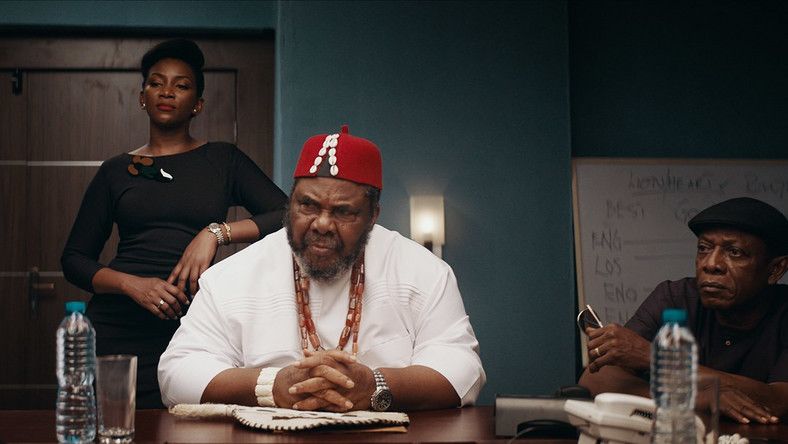
These movies are centered on two ethnic groups; Yoruba and Igbo. They tell beautiful stories from the lens of African culture and tradition, especially that of the Igbo people of southeastern and Yoruba people of southwestern Nigeria. Lionheart’s central plot revolves around gender roles, family caducity, hard work, business ethics, and family norms in Igbo traditional settings. Áníkúlapó is a Yoruba word that means “one who holds death in his pouch.”
Historically, Yoruba people weren’t buried after their death but left in the enchanted forest.” The movie’s central message asked questions about the treasure and value of time. The plot is about death, resurrection, and the greedy desires of men. Choosing Oyo State for the production and shooting correlates with the pioneering of the indigenous background. Culturally, these two movies launched the global audience to the Yoruba and Igbo cultures but in terms of storytelling. It closed the gap caused by poor movie production, entails the aesthetic African cultures, and exposed the young generation to African traditional settings.
Netflix is championing the course and providing a platform for African movies to be marketed globally, followed by YouTube. African movie producers are working so hard to produce quality movies with good storytelling attributes. For them, this is the meaning of success. Netflix has religiously penetrated the African market with the number of subscribers skyrocketing monthly from the African continent. According to The Guardian, Netflix paid a whopping $3.8 million to acquire Lionheart but the movie was disqualified for Oscar in 2019 because most of the dialogue is in the English language.
As of October 3 & 9, 2022, it was reported (by Punch News) that the Áníkúlapó appeared at the top list of the Netflix weekly global chart as the “most viewed non-English Netflix original movie. This is the kind of success story the African entertainment industry is pacing with. It is bridging the gap and changing the narrative that “nothing good can come out of Africa.” These movies has proved once again that “something good can come out of Africa.” The global market is too large and we are expecting more openings in the African film industry.
